
The Village’s Open Doors
A Murder Is AnnouncedEveryday neighborliness and post-war social change create both the atmosphere of Chipping Cleghorn and the practical conditions for the crimes.
increasing Bearing strength in each event
 decreasing
Bearing strength in each eventdecreasingA Village in Transition
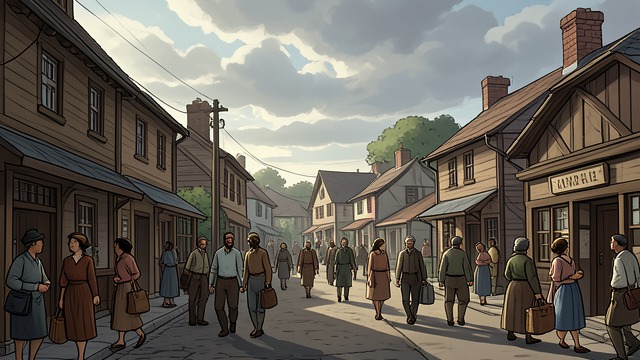
A Changed Community
New Residents
Chipping Cleghorn is filled with people who have arrived from elsewhere and whose histories are not shared by generations of neighbors. Jane Marple recognizes that village familiarity can be misleading.
Familiar Habits Persist
Despite these changes, residents still enter one another’s houses casually. Old patterns of trust remain even when residents no longer know who their neighbors truly are.
The Open Side Door
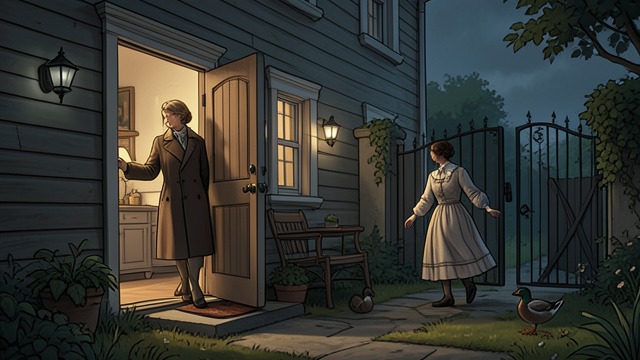
Informal Access
Routine Comings and Goings
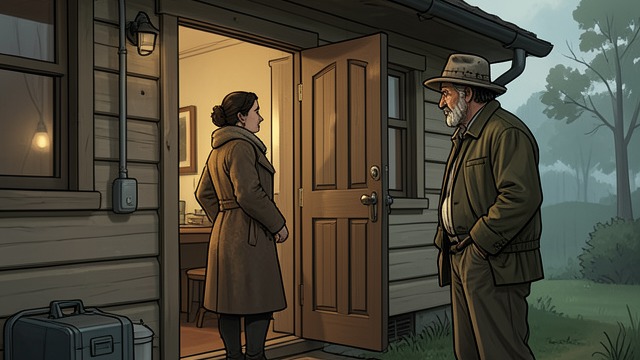
Phillipa Haymes enters through the side door after work, while Letitia uses the garden route to shut up the ducks. The household’s movements are ordinary and largely unguarded.
A Permeable House
The absence of strict locks makes it plausible for Rudi and another person to reach the house. The same casual access complicates the question of who could have prepared the hidden door.
The Neighbors’ Theories
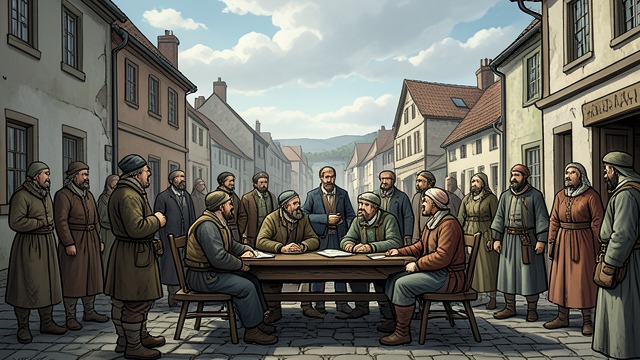
Gossip Fills the Gaps
Competing Suspicions
The village speculates about a gang, foreigners, valuable pearls, and Mitzi’s possible involvement. Each rumor reflects local prejudice as much as evidence.
News as Social Currency
Details travel through daily workers, household visits, and conversations in shops. The community’s close attention can expose secrets, but it can also bury truth beneath confident guesses.
Barter and Secrecy
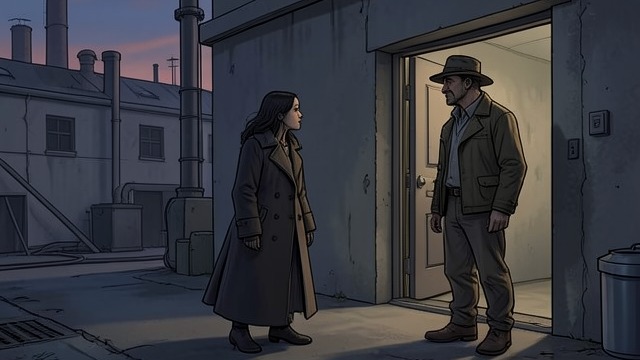
Unofficial Exchange
Shortages Shape Behavior
Miss Hinchcliffe and other residents obtain butter, eggs, and other goods through informal exchanges. Their visits to Little Paddocks have innocent explanations but are not always fully disclosed to the police.
A Complicated Record
Craddock must separate ordinary rule-breaking from evidence of murder. The village’s small evasions make every account less straightforward without making every neighbor a criminal.
The Gazette Refused
A Household Withdraws
A New Domestic Life
Edmund Swettenham and Phillipa return from their honeymoon and order newspapers from the stationer. They choose several publications but refuse the local Gazette.
A Comic Boundary
The choice suggests a desire to escape the village’s constant appetite for local news. The stationer’s wife assumes otherwise, showing how deeply the Gazette has become part of community life.
In the weeks before October 29
The afternoon of the shooting
The day after the shooting
During Craddock’s inquiry into household access
After the honeymoon
